Last updated: September 10, 2026
Key Takeaways
- Access changes the price the most, followed closely by how much soil needs to move.
- Ask how they will protect existing hardscape and irrigation.
- I would not guess at a slope problem when the house itself is showing symptoms.
- A small backyard with easy access is one job.
Quick answer: for the typical home, yard grading cost is often about $500 to $3,500, with small corrections sometimes starting around $300 and larger regrades reaching $5,000 or more depending on access, soil, and drainage scope. For a typical home, the real answer hinges on whether the crew is simply smoothing a slope or rebuilding drainage around a foundation, patio, or retaining wall. I write about site work and home-exterior projects, so I know this is really a timing-and-scope question: what can you fix cheaply now, and what turns into excavation if you wait? Quite a difference.
What you are actually paying for when you grade a yard
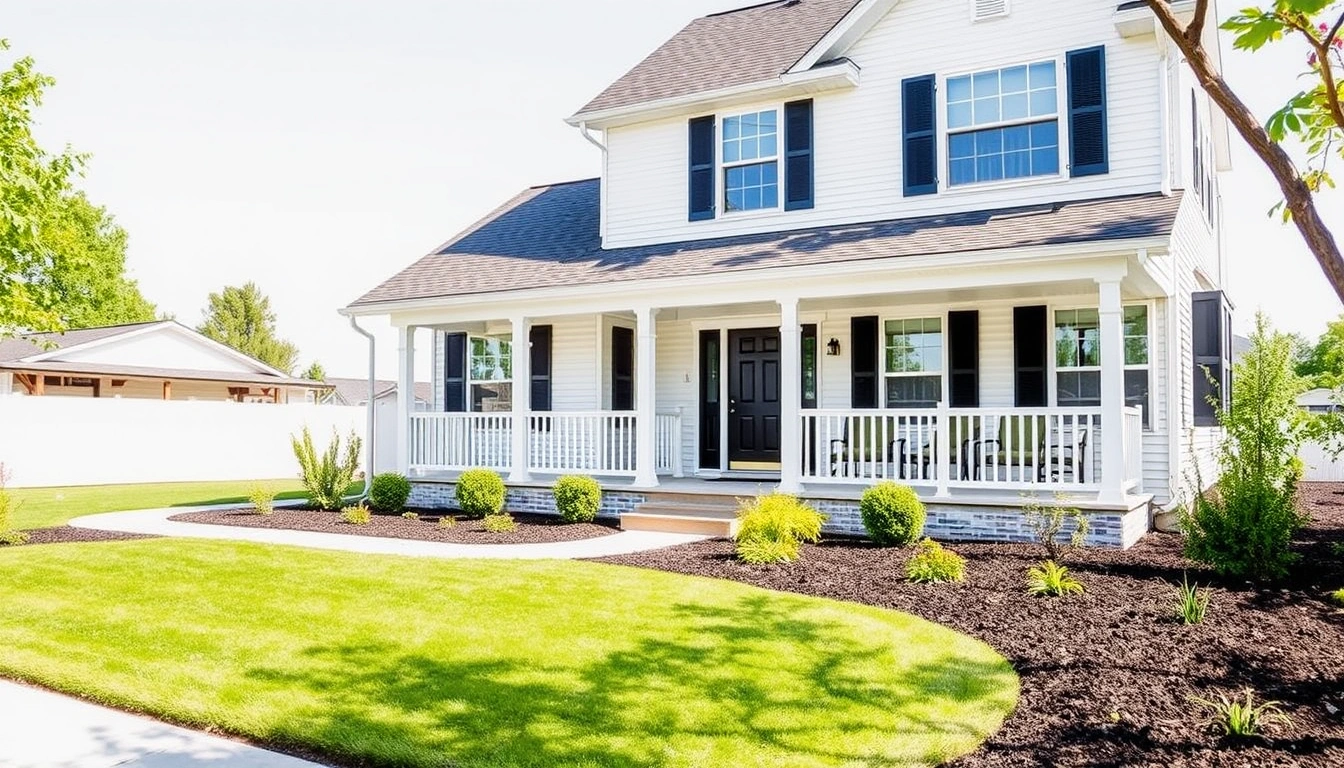
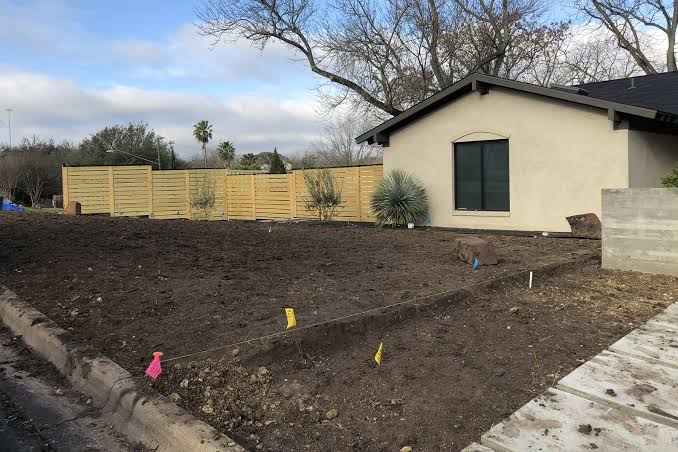
You are paying for machine time, labor, soil movement, and drainage risk when you grade a yard. On a plain residential lot, grading usually means shaping the ground so water moves away from the house, not toward it. Simple. Or not so simple. That can be as modest as re-sloping the first several feet around a foundation, or as involved as cutting high spots, filling low spots, and hauling material in or out.
The cost rises fast when the crew needs to bring in fill, remove spoils, or work around landscaping, irrigation, fences, and hardscape. A small backyard with easy access is one job. A narrow side yard with a gate, buried utilities, and a driveway that cannot take heavy equipment is another. Different beast. If the surface only needs minor adjustment, I would treat that differently from a full regrade after drainage failure, and I would ask a licensed contractor to confirm the scope before I priced it as a simple fix.
The single most useful thing to ask a contractor is not “How much to grade my yard?” It is “What exactly are you moving, and how far?” A shallow correction around the house may take a skid steer and a few hours. A larger regrade can require an excavator, dump fees, imported topsoil, compaction, and seed or sod afterward. Those extra steps are where many homeowners get surprised.
Two authoritative references are worth reading before you call anyone: the U.S. Federal Emergency Management Agency’s flood guidance on keeping water away from foundations, and the American Society of Landscape Architects’ drainage and grading resources. They won’t quote your project price. But they do explain why the slope matters in the first place.
How much does yard grading cost for a typical home?
For a typical home, yard grading usually costs from a few hundred dollars for a small patch to several thousand dollars for a full regrade. That is the range, not a promise, because the bill shifts with access, soil, and how much material has to be added or removed.
If you only need a small corrective grade near one side of the house, you are usually paying for a minimum service call and a short equipment run. If the yard has settled unevenly, water ponds after rain, or the slope has to be rebuilt across most of the lot, you are paying for more labor hours plus hauling and disposal. Once the job involves trenching, recontouring, or preparing for drainage improvements, grading is no longer a simple cosmetic fix.
This is where a generic article gets it wrong: it treats “grading” as one product. It is not. The work can be local and surgical, or broad and structural. Same label, very different jobs. So a homeowner should consult a professional and ask for a site-specific scope before comparing bids.
The better question is what kind of home you have. A modest suburban lot with clear access and a manageable slope can be one of the lower-cost cases, while clay soil, short lot lines, or runoff that must be redirected around patios or basement walls usually pushes the price higher. If a contractor also has to repair turf, reset edging, or coordinate with a drainage installer, the grading line item grows.
My view is plain: if your problem is mostly cosmetic or localized, hire for targeted grading and stop there. If your basement, crawlspace, or foundation is already taking water, do not shop only on grading cost. Wrong target.
What changes the price the most?
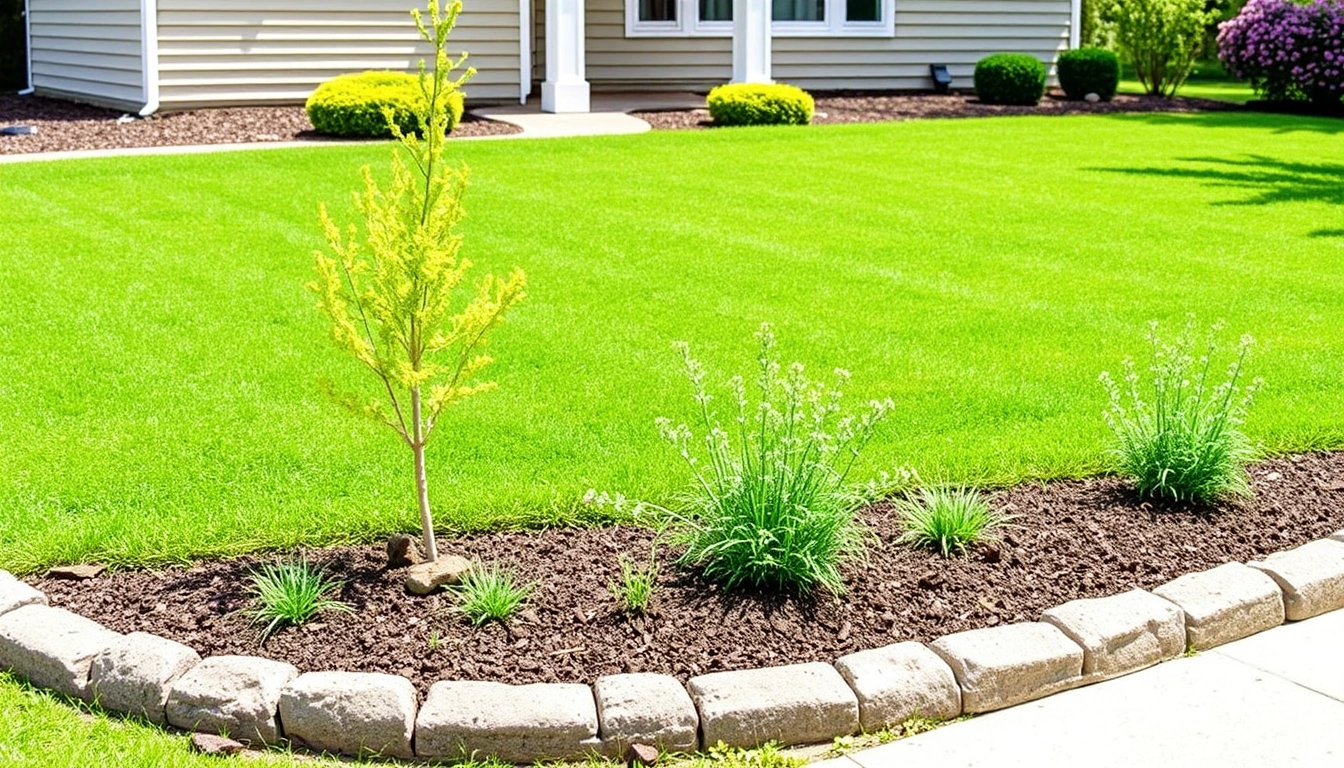
Access changes the price the most, followed closely by how much soil needs to move. A yard with a wide side gate and room for a compact machine is easier to work than a backyard that requires wheelbarrows through the house. Soil type matters too. Clay can hold water and cut poorly when wet; loose sandy soil can move quickly but may need more shaping to stay put.
Project size is the other obvious driver. Regrading a 20-by-20-foot section is not the same as reworking an entire yard. Material also matters: imported fill, screened topsoil, gravel base, and disposal fees all push the cost in different directions. If you have to remove a lot of excess dirt, dump fees can become a real line item instead of an afterthought. Nasty little surprise.
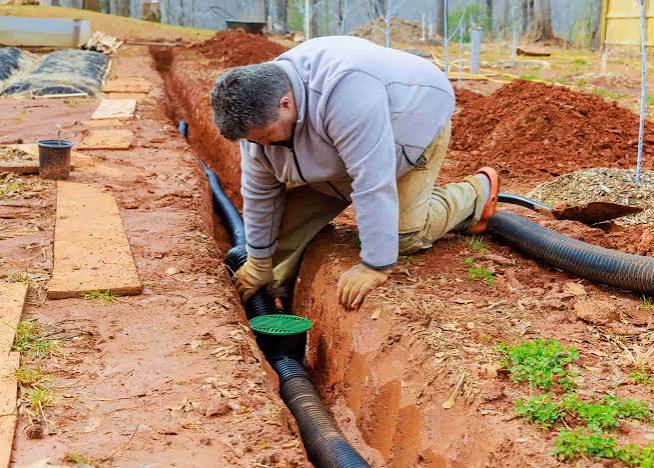
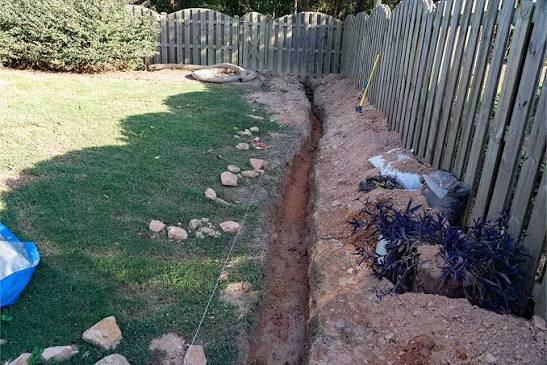
Drainage fixes often change the total more than homeowners expect. A simple grade adjustment is one thing. Adding swales, French drains, downspout extensions, or a dry well is another. Those solutions can be the right call, but they shift the project from “shape the yard” to “manage the water system.”
Here is a simple way to think about it:
| Criteria | Minor regrade | Full yard regrade | Winner for this condition |
|---|---|---|---|
| Scope | Fixes a limited low spot or slope near the house | Reworks most of the yard | Minor regrade for isolated drainage trouble |
| Equipment | Often compact machine or handwork | Often skid steer or excavator | Minor regrade for tight access |
| Soil movement | Limited cut and fill | Significant cut, fill, or haul-off | Minor regrade when the yard is mostly sound |
| Drainage impact | Improves runoff in one area | Can reshape overall water flow | Full regrade for chronic ponding |
| Time on site | Usually shorter | Usually longer | Minor regrade for small jobs |
| Restoration | Less turf repair | More turf, edging, and cleanup | Minor regrade if you want less disturbance |
| Cost pressure | Lower | Higher | Minor regrade for budget control |
| Risk of hidden issues | Lower | Higher | Full regrade if water problems are widespread |
| Best use case | One weak spot | A yard that slopes wrong overall | Depends on whether the issue is local or systemic |
If you are getting quotes, compare them on the same scope. A contractor who includes fill, compaction, and cleanup in one number may not be more expensive than a lower bid that leaves those items out. Ask for the grade plan, the amount of material, and whether haul-off is included.
When minor grading is enough — and when it is not
Minor grading is enough when the problem is local, the yard already drains reasonably well, and the change only needs to nudge water away from the house. That is the right answer for a shallow dip near a walkway, a spot where a sprinkler system has softened soil, or a small area where topsoil settled after landscaping. It is also the least disruptive option, which matters if you do not want to tear up mature lawn or disturb irrigation.
Its weakness is that it can miss the real cause. If downspouts dump beside the foundation, gutters overflow, or the whole lot pitches toward the house, a small grade correction may buy time but not solve the problem. You can spend money twice: once on the patch, again on the real fix.
Minor grading is best for homeowners who want the least invasive correction and can live with a limited improvement. It is not the right answer for a property with standing water after normal rain, basement seepage, or a slope that visibly runs toward the foundation. In those cases, a cheap fix often becomes an expensive do-over.
I would choose minor grading when the contractor can show a narrow correction, usually in one section of the yard, and when the rest of the site still sheds water properly. I would not choose it just because the quote is lower.
When full yard regrading makes sense
Full yard regrading makes sense when the yard itself is the problem. If water collects across multiple areas, if the original lot slope is wrong, or if previous landscaping created a bowl around the house, a wider regrade is the cleaner fix. It gives the contractor room to shape runoff, create usable contours, and reduce the chance that water simply finds another low spot.
The trade-off is obvious: more disturbance, more labor, and more money. A full regrade can require removing shrubs, lifting sod, hauling soil, and then rebuilding the surface with seed or sod. If the yard has hardscape or mature planting beds, the project can spill into multiple trades.
Full regrading is the better choice for a homeowner with repeated drainage complaints, not just an ugly dip. It also makes sense before major exterior work, like a new patio or retaining wall, because those projects often depend on the final grade being correct. If the ground is wrong now, any new hardscape can trap water later.
The people who should skip full regrading are those who only want a cosmetic improvement or who are not ready for the aftermath. This is not a weekend cleanup. It is a site modification. If the yard needs to look perfect immediately, or if you do not want to replace turf afterward, you should think twice before committing.
The honest side-by-side on price, disruption, and risk
If you are deciding between a small correction and a full regrade, choose the least disruptive option that actually fixes the drainage pattern. Minor grading is cheaper, faster, and easier to restore. Full regrading is more expensive, but it can solve a structural slope problem instead of just softening it. That is the key difference.
A minor grade is the right buy when your lot already drains correctly except for one trouble spot. A full regrade is the right buy when the yard was built wrong, settled badly, or keeps feeding water toward the house. I would not spend full regrade money on a single puddle unless the puddle keeps returning after dry weather and you can trace it to the site slope.
Because price is only one part of the decision, it helps to compare disruption too. A small correction may take one visit, while a full regrade can stretch across multiple days and require restoration afterward. A contractor can quote a lower number and still create a larger mess if the scope is vague.
What I would do in three common homeowner situations
For a small backyard puddle with good foundation drainage, I would start with a minor grade correction and ask the contractor whether downspout extension or a shallow swale would finish the job. That keeps the scope controlled.
For a yard that slopes toward the house and has repeated wet spots, I would move straight to a full regrade plan, because piecemeal fixes tend to fail. This is the case where spending less upfront can cost more later.
For a property with basement seepage, I would not treat grading as a stand-alone answer unless a drainage pro confirms that the slope is part of the problem. A yard can be properly graded and still leak if gutters, downspouts, or subsurface drainage are wrong, so a contractor should review the whole water path before you decide.
If you are comparing bids, I would ask every contractor the same three questions: how much soil will move, where will the water go, and what restoration is included. Those answers reveal more than the bottom-line number.
When should you walk away from grading as the main fix?
You should walk away from grading as the main fix when the site has a bigger water-management problem than surface slope alone can handle. That includes chronic runoff from uphill neighbors, blocked storm drains, failing retaining walls, or foundation water that keeps coming back after the yard is reshaped.
It also may not be worth it if the property is so constrained that a proper grade would create other problems, such as too much elevation change for a walkway or porch. In those cases, drainage structures or a broader landscape redesign may be a better investment than moving more dirt.
I would also step back if the only motivation is appearance and the quote balloons because of access, haul-off, or restoration. At some point, the grading is no longer “yard work.” It is a site project, and the return has to justify that.
What should you ask before hiring?
You should ask for the exact grade plan, the soil or fill allowance, whether hauling is included, and what happens if the crew finds wet clay or buried obstructions. Those four questions uncover most of the hidden costs.
Ask whether the quote includes compaction, because loose fill settles. Ask whether seed, sod, or straw is part of restoration, because the dirt work is only half the job. Ask how they will protect existing hardscape and irrigation. A contractor who answers clearly is usually easier to work with than one who gives a flat number and nothing else.
If the project touches drainage near a foundation, it is smart to bring in a qualified landscape contractor or civil drainage professional, and in serious water-intrusion cases, a structural or foundation specialist. I would not guess at a slope problem when the house itself is showing symptoms.
FAQ
How much does yard grading cost for a small area?
A small area usually costs far less than a full-yard regrade, often in the low hundreds to low thousands depending on access, soil, and restoration. The exact number depends on whether the crew is just reshaping one spot or moving material in and out.
Is grading the same as leveling?
No. Grading shapes the yard for drainage; leveling aims for a flatter surface. A yard can be graded and still not be perfectly level, because water still needs somewhere to go.
Do I need grading if I already have gutters?
Maybe. Gutters help move roof water, but they do not fix a yard that slopes toward the house. If downspouts discharge correctly and the ground still holds water, grading may be part of the solution.
Can I do yard grading myself?
Yes, for tiny corrections, but I would be cautious. If the work affects foundation drainage, large slopes, or buried utilities, the cost of a mistake can be much higher than hiring a pro.
What is the best first step before getting quotes?
The best first step is to walk the yard after rain and mark where water sits, where it runs, and where it reaches the house. That gives contractors a clear problem map and helps you compare bids on the same scope.