Last updated: September 10, 2026
Key Takeaways
- A $2,000 grade can turn into a much larger total if those pieces are separate.
- If a quote expires in 24 hours, treat that as pressure rather than efficiency, and consider consulting a local drainage or grading professional before signing.
- Those questions force the contractor to talk about the site, not just the sale.
- It assumes you can walk the site, point to the problem areas, and compare bids.
Table of Contents
- What should I ask a yard grading contractor before I hire them?
- How do I compare bids without getting fooled?
- What should a good grading plan include?
- When should I stop and get a different kind of help?
- What are the most common mistakes people make when hiring?
- How long does yard grading take, and what does a finished yard look like?
- What if my yard problem is small?
- Questions I would ask before signing
- FAQ
Three inches can make or break a yard. That tiny difference decides whether runoff heads away from the house or creeps back toward it. Brutal, but true. When you hire a yard grading contractor, the real test is simple: can this person explain exactly how they will move water away from your house without creating a fresh mess somewhere else? Yard grading is not just “making it look level.” It is drainage work, and a bad slope can push runoff toward a foundation, pool water in low spots, or leave you paying twice to fix the same yard. The question is not whether the job looks neat on day one, but whether the yard grading contractor can make the site drain correctly after the first hard rain.
This article is for a homeowner who already knows the basics: the yard is holding water, the lawn is uneven, or you want the soil shaped before sod, patio work, or a new downspout setup. It assumes you can walk the site, point to the problem areas, and compare bids. It does not assume you know grading terms like swale (a shallow channel that moves water across the yard) or compaction (pressing soil down so it settles less later). I will define those as I go, and I will keep the focus on the questions to ask a yard grading contractor before you hire.
What should I ask a yard grading contractor before I hire them?
Ask about the drainage plan, slope measurements, soil handling, equipment, cleanup, and what happens if the grade settles after the first rain. Those answers tell you whether the contractor is solving a water problem or just pushing dirt around for a day, and they also show whether the yard grading contractor understands the site.
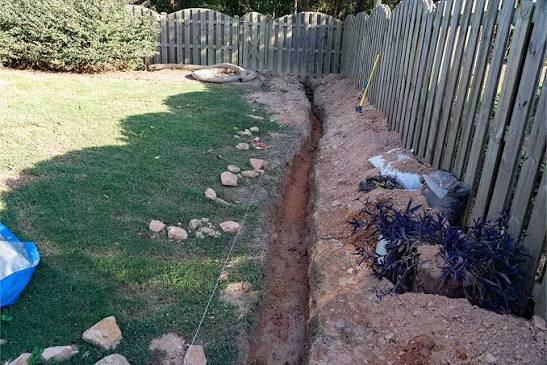
Good contractors can usually answer in plain language and give numbers. “We’ll fix the low spot” is too fuzzy. You want to hear where water will go, how much soil will be removed or added, what finish slope they are aiming for, and whether they will tie the work into downspouts, drains, or a swale. For many residential yards, the grade needs to fall away from the house at a modest slope, not a dramatic hill. If someone promises a “perfectly flat” yard, that is a warning sign unless the site has a separate drainage system.
Here are the questions I would ask, in roughly this order:
-
How will you move water away from the foundation?
Ask for the drainage path in words, not just “we’ll regrade it.” A good answer names the low point, the direction of fall, and whether water exits to the street, a swale, a drain, or another legal outlet. -
What slope are you targeting, and how will you measure it?
A contractor should be able to talk in inches per foot or percent grade. You do not need to do the math yourself, but you do need to hear that the grade will fall consistently away from the structure. -
Will you preserve or rework the topsoil?
Topsoil is the upper, organic layer that supports grass. If they strip it off and do not replace it evenly, you can end up with poor turf establishment and bare patches. -
How much settling should I expect after the first few storms?
This tells you whether they compact in lifts, whether the soil is too wet, and whether they plan a follow-up visit. A contractor who claims the grade will never change is selling certainty they cannot honestly give. -
Do you handle permits, utility marking, and drainage restrictions?
In many areas, digging and surface drainage are not fully free-form. A reputable contractor will know when local rules or HOA standards matter. -
What is included in cleanup and restoration?
Ask whether haul-off, final raking, seed, straw, mulch, or sod are included. A $2,000 grade can turn into a much larger total if those pieces are separate. -
What happens if I still have standing water after the work?
You want a clear answer about callbacks, troubleshooting, and whether additional drainage work would be billed separately.
Clear answers are a good sign. So is consistency. If they dodge measurements, blame the previous owner for everything, or hand over a price without walking the site, keep looking. For a baseline on drainage and site runoff, the EPA’s stormwater guidance is a useful starting point, and many local extension offices also explain how grading affects home drainage.
How do I compare bids without getting fooled?
Compare the scope first, not the total. Two “yard grading” quotes can describe very different jobs, and the price gap can be hundreds or even thousands of dollars. One may include machine work, soil import, hauling, and cleanup; the other may only cover labor to shape what is already there. Cheap can get expensive fast.
I would ask each contractor to put the same items in writing:
- approximate yard area to be graded, in square feet
- where soil will be added or removed
- whether the contractor will import fill dirt, screened topsoil, or both
- whether they will compact in layers
- how much of the yard will be disturbed
- whether existing turf will be saved, scraped, or replaced
- cleanup, haul-off, and debris removal
- any drainage add-ons, such as French drains or downspout extensions
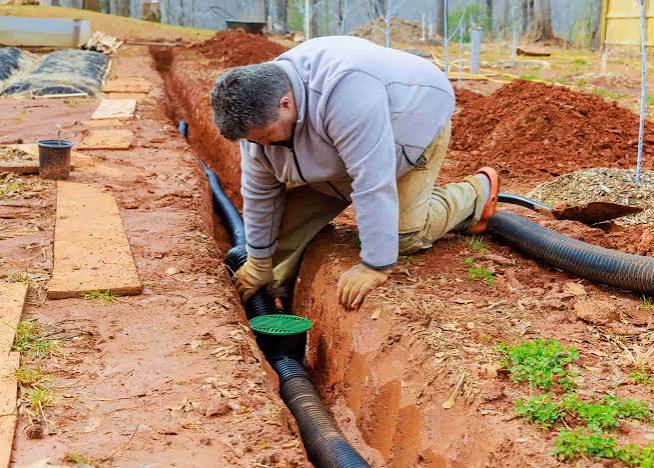
A French drain is a gravel trench with a perforated pipe that collects and carries water away. It is not the same thing as regrading, and the price should not be lumped into the same line unless that is truly what they are doing.
Ask how the price was built. If a contractor quotes by the day, find out what size equipment is included and whether that day count can change once the site is opened up. If they quote a flat price, ask what conditions would change it: access through a narrow gate, rocky soil, buried debris, or a saturated yard that cannot be worked safely.
I would be cautious if the quote is unusually low and the scope is thin. That often means one of three things: no haul-off, no cleanup, or no real drainage plan. Those omissions are where “cheap” grading becomes expensive. A bid that is 15 to 30 percent higher can still be the better value if it includes the work that actually makes the yard usable.
Also ask how long the quote is good for. Material and labor availability change, and a 30-day hold is common in many local services. If a quote expires in 24 hours, I would treat that as pressure, not efficiency, and I would consider getting a second opinion before committing.
What should a good grading plan include?
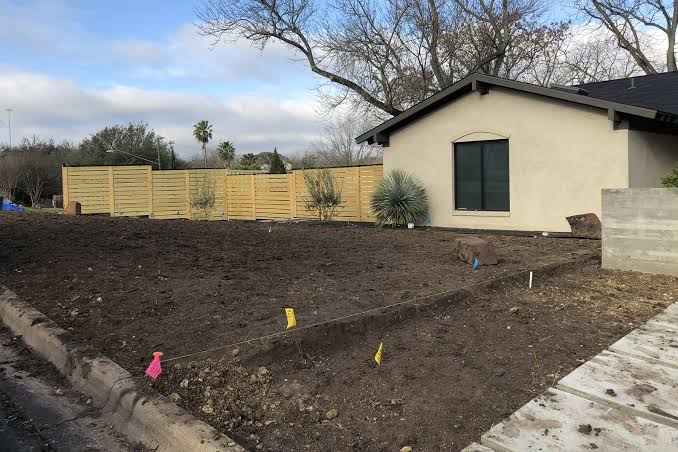
A good grading plan should show existing conditions, proposed elevations, and the intended path of water in enough detail that another contractor could follow it. On a residential property, that often means at least a site walk, visual marking of trouble spots, and a simple written scope. You do not need an engineering packet for every yard, but you do need more than a promise and a pickup truck.
Listen for positive drainage. Water should move away from the foundation and out of trouble spots. If the contractor cannot explain where water goes during a heavy rain, the plan is incomplete. This matters most on homes with crawl spaces, basements, patios that trap water, and yards that slope toward neighboring lots.
Ask whether the contractor will verify these points before starting:
- the finished grade will not cover siding, weep holes, vents, or step-downs
- splash blocks or downspout extensions will still clear the foundation
- the new slope will not create a ridge that traps runoff at the property line
- low spots near walkways, AC pads, or retaining walls will be corrected
- the plan accounts for soil type, not just visual appearance
Clay soil drains slowly and compacts hard. Sandy soil drains faster but can erode more easily. Fill dirt, which is used to raise grade, is not the same as screened topsoil, which is meant for the planting layer. A contractor who mixes those terms carelessly is not being precise enough for drainage work.
If your yard is part of a neighborhood with shared drainage, ask whether the finished slope sends water to a place your city or HOA allows. I would not hire anyone who is casual about draining onto a neighbor’s property. That is how a simple yard fix becomes a dispute, and local stormwater rules often make that a compliance issue as well. Rules first. Arguments later.
When should I stop and get a different kind of help?
Stop and change course when the site problems are bigger than surface grading can solve. Yard grading is the wrong tool when the issue is structural, underground, or tied to a larger drainage failure, and that is where a yard grading contractor should tell you to bring in another specialist.
Water enters the basement or crawl space after rain: This means the problem may involve foundation drainage, not just surface slope — bring in a drainage or foundation specialist before you regrade and hide the real issue.
The yard has a steep slope, retaining wall, or visible soil movement: This may be a stability issue, not a cosmetic one — you may need an engineer or a wall contractor, especially if the wall is cracked, leaning, or over 3 to 4 feet tall.
Downspouts dump near the problem area: This means roof water may be overwhelming the yard faster than grading can handle — extend the downspouts 6 to 10 feet away or add a drain plan before grading.
The soil stays soggy for days after only light rain: This often points to clay, compaction, or a high water table — grading alone may not drain the site, and a French drain or different outlet may be needed.
There are buried utilities, septic lines, or irrigation mains in the work area: This changes the risk and the method — have utilities marked and confirm the contractor will not trench blindly or cut into active lines.
The contractor refuses to explain measurements, elevations, or where the water goes: This means you are buying guesswork — stop the process and get another bid.
None of that means grading never helps. It means grading is not a cure-all, and you should consult a qualified drainage or foundation professional when the site has more than one cause. The wrong fix can make a wet yard look better for a month and worse after the first hard storm. If the site has more than one cause, solve the causes in the right order.
What are the most common mistakes people make when hiring?
The biggest mistake is choosing the lowest bid without checking scope. The result is usually incomplete drainage work, with the contractor shaping the yard but leaving the runoff problem in place. The better alternative is to compare line items and ask what is excluded.
Another mistake is not asking how the contractor will protect existing improvements. If they do not plan around pavers, fences, AC pads, sprinkler heads, or tree roots, the job can leave broken edges, dead zones, or a yard that no longer drains around the hardscape. Walk the site together and mark what stays. Simple, but effective.
A third mistake is skipping the discussion about settlement. Freshly moved soil can settle over weeks or months, especially if it was placed too wet or not compacted in layers. The result is dips that show up after the first few storms. The better alternative is to ask whether the contractor compacts in lifts and whether a return visit is included if the grade drops.
A fourth mistake is accepting “it will be fine” where a measurement should be. Without a stated slope, you have no way to judge whether the water will run the right direction. Ask for at least a plain-language target: away from the house, through the side yard, to the swale, or to the approved outlet.
A fifth mistake is forgetting restoration costs. Seed, straw, sod, mulch, and haul-off can change the total enough to alter your decision. If the contractor only quoted dirt movement, you may still need to budget another 20 to 40 percent for finishing, depending on how much surface is disturbed.
A sixth mistake is hiring someone who does not understand local drainage rules. In some places, you cannot redirect runoff onto adjacent property or into a place that blocks sidewalks. The result can be a rework or a neighbor complaint. The better alternative is to ask directly whether the plan is compliant with local requirements.
How long does yard grading take, and what does a finished yard look like?
A small grading job often takes one day; a larger or wetter site can take two to four days, not counting cleanup, seeding, or sod. The actual time depends on access, soil volume, and whether the contractor must wait for dry conditions. A saturated yard can slow everything down because equipment may rut the ground and make the problem worse.
A finished yard should look intentional, not smooth in the wrong places. I would expect these signs of a good result:
- water no longer pools against the foundation after a normal rain
- low spots are gone or now drain to a clear outlet
- the slope looks gradual, not like a berm or ditch
- the lawn area is still usable for mowing
- mulch beds, edging, and walkways still make sense with the new grade
Do not expect the yard to look perfect the same day if it was heavily disturbed. Soil settles, seed takes time, and sod needs water. A contractor who promises a finished lawn in one afternoon is skipping the parts that make the work last.
Climate changes the answer here. In freeze-thaw regions, a grade that looks fine in late summer can move after winter. In heavy-rain areas, a slope that barely works in dry weather may fail during a storm season. In clay-heavy soils, a finished grade may need a stronger drainage outlet than the same yard would need in sandy ground. A contractor who ignores those differences is not tailoring the work to your site, and the yard grading contractor questions you ask should force that conversation.
What if my yard problem is small?
A small problem may still need a contractor if water sits near the house, but if the issue is limited to one shallow dip far from the foundation, I would first ask whether minor regrading, topdressing, or a downspout extension solves it. Topdressing means spreading a thin layer of soil over low areas; it is not the same as a full grade correction.
Ask the contractor whether a 1- to 2-inch correction is enough or whether the site needs a deeper rebuild. If the answer depends on where the water starts and ends, that is normal. If the answer is “just let us bring in a load of dirt,” I would be careful. Small jobs are where overselling happens, and the questions to ask a yard grading contractor should stay as specific as they are on larger jobs. Little jobs can balloon.
Questions I would ask before signing
I would keep these five in front of me:
- Where does water go after the work?
- What slope are you targeting?
- What exactly is included in the price?
- What settling or follow-up should I expect?
- What problem would make grading the wrong solution here?
Those questions force the contractor to talk about the site, not just the sale, and they help you compare any yard grading contractor against the actual drainage needs of the property.
FAQ
How do I know if a yard grading contractor is qualified?
By how clearly they explain the drainage path, slope, and scope. A qualified contractor should be able to describe the site in plain language, point to the low spots, and tell you what they would do before they start. For general contractor screening and licensing checks, your state licensing board or local consumer protection office is the best place to verify credentials.